


TREKKING and BENEFITS
In contact with nature it reduces stress, anxiety and depression gen07
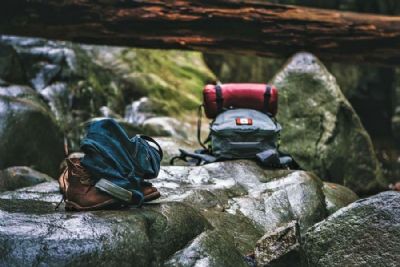
In addition to reducing stress, anxiety, and depression, female leg, gluteal, and abdominal muscles improve in tone. Exposure to solar radiation promotes vitamin D production.
BENEFITS OF TREKKING
Trekking is much more than a walk, which already brings many benefits. Trekking is not just a hiking activity, which anyone can do regardless of age, and a long walk in nature, where you can finally breathe clean air: trekking is a classic all-round exercise, not particularly tiring, which improves well-being and quality of life.
We must proceed step by step, and not immediately venture onto overly strenuous and complex routes.
During the trip, drink plenty of water (always have some on hand), avoid wearing new shoes (they could cause very unpleasant surprises), and bring sunglasses and sunscreen.
Furthermore, always carry disinfectant, plasters, gauze, and dry ice in your backpack for use in case of minor accidents.
WHY TREKKING
Recent research has shown that trekking offers additional benefits compared to traditional gym activities. Compared to an indoor workout, exercising outdoors allows you to connect with a variety of elements. Admiring a view or walking along a tree-lined path are activities that ensure a revitalizing effect on mind and body. The benefits of trekking aren't limited to the pleasure of practicing sports in contact with nature.
Benefits of trekking improves circulation, breathing, and cholesterol. Trekking, like other aerobic activities, has beneficial effects on the cardiovascular system, such as reducing heart rate even during intense activity. Furthermore, trekking has beneficial effects on blood pressure and cholesterol.
You burn more calories. Trekking makes us feel more energetic and more willing to exercise, not to mention that exercises done on mountain trails burn more calories than on a treadmill.
Through stress, anxiety, and depression.
Moving outdoors helps ward off anxiety and relieve stress. Trekking is a great option for those seeking a way to unwind and unwind mentally.
It helps with breathing.
Practicing outdoor sports improves respiratory function, and on tree-lined or mountain trails, we benefit from better air quality. It's a cure for the lungs. However, we must be careful not to exceed 2,500 meters above sea level, where oxygen levels become slower.
It tones the leg and gluteal muscles in women. Trekking is ideal for strengthening and toning certain muscle groups, such as the glutes, adductors, and hamstrings. It makes us look beautiful and fit.
It strengthens the abdominal muscles. Both uphill and downhill, trekking works the abdominal muscles. They are essential for maintaining a straight back and maintaining body balance, especially when braking.
It helps build new human relationships. Trekking enthusiasts are numerous and constantly growing. Anyone who wants to start can join a group that has already been practicing for some time. An opportunity to learn from those with more experience and expand your connections.
It increases red blood cell production. Trekking is primarily practiced in the mountains and requires the body to adapt. In the first few days, it's necessary to take risks at high altitude and then descend again to allow the body to produce more red blood cells, which are used to transport the oxygen lacking at high altitude.
It prevents excess weight and obesity. Trekking allows us to burn off extra pounds faster than gym activities. This way, we stay fit and ward off the worry of being overweight or obese.
A vitamin D bath. For example, by coming into direct contact with sunlight, we fill up on vitamin D, which is very useful for bone health and the immune system.
-
Cerca nel sito
-
Categorie
- News
- Chi siamo
- Dove siamo
- Contatti
- ARTIDE, ANTARTIDE, CALDO
- LISTA NOZZE
- MARE e CROCIERE
- DISSERVIZIO AEREO
- TOURS SINTESI 26/27
- TOURS e soggiorni 2027
-
Login FAST


